Easter Eggs
Iron Man: Guide to MCU Easter Eggs, Lore, and Foreshadowing

Iron Man (2008)
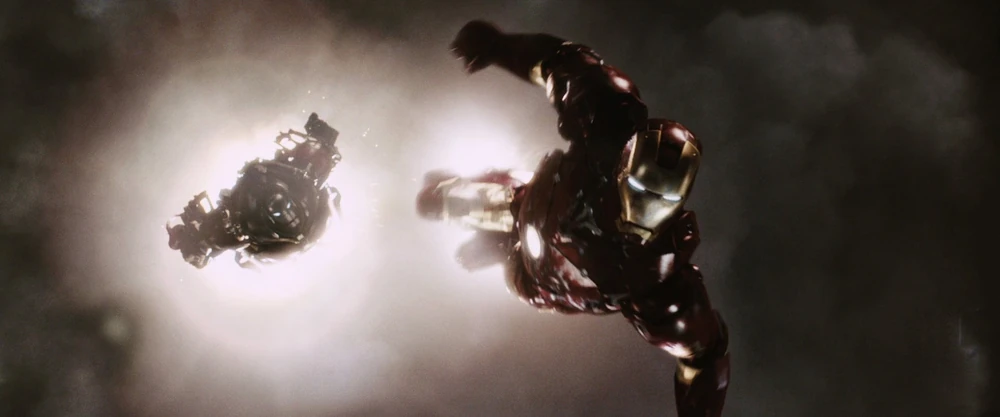
In 2008, Marvel Studios bet everything on a B-list superhero and a leading man Hollywood had written off. Robert Downey Jr. was considered uninsurable just years earlier, and Iron Man had never carried the cultural weight of Spider-Man or the X-Men. The gamble paid off beyond anyone’s expectations. But what we love about Iron Man is that so many frames contain seeds for stories that wouldn’t bloom for over a decade.
The film follows Tony Stark, a brilliant but reckless weapons manufacturer forced to confront the consequences of his own technology. After surviving captivity, he builds the first Iron Man suit and begins redefining his identity and purpose. Set against the backdrop of the War on Terror, with its Afghanistan setting carrying real political weight in 2008, the story of an arms dealer having a moral awakening resonated with audiences navigating the financial crisis and questioning institutional trust.

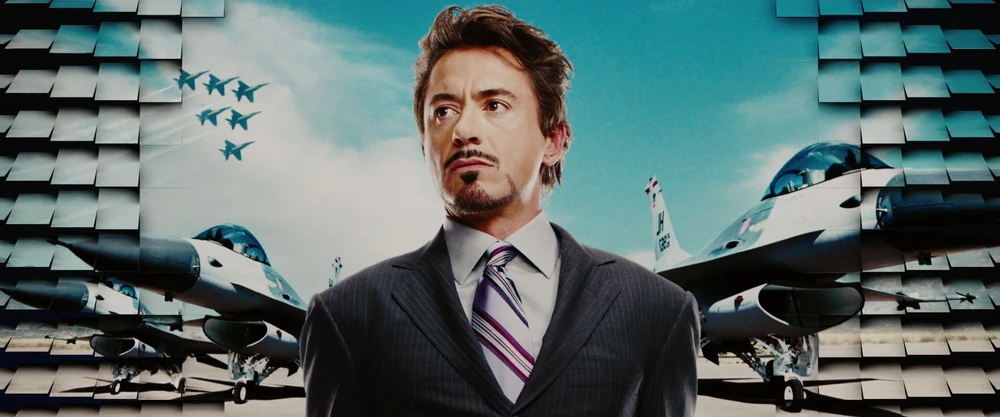
Set in 2008, the same year as its release, Iron Man marks the first film in what would become the MCU, though it’s not the earliest event on the timeline. The film sets up the foundations for War Machine, while its post-credit scene teases the formation of the Avengers, which becomes the central focus of Phase 1. The events here ripple forward into Iron Man 2, The Avengers, Iron Man 3, and eventually Shang-Chi through the Ten Rings storyline.

Key Characters
Tony Stark First appearance, establishing the foundation of the entire MCU.
Pepper Potts Introduced as Tony’s assistant.
James “Rhodey” Rhodes Early setup for War Machine.
Obadiah Stane Primary antagonist connected to Stark Industries.
Phil Coulson Expands S.H.I.E.L.D.’s presence in the MCU.
Nick Fury Introduces the Avengers Initiative.
Easter Eggs
Musical References
AC/DC, ‘Back in Black’
The opening Humvee scene features AC/DC’s ‘Back in Black,’ a musical cue later reused in Spider-Man: Far From Home as a nod to Tony Stark’s legacy being passed to Peter Parker. Keep your ears open for it during that film’s emotional beats.
Ghostface Killah Connection
Tony and Rhodey drink on the plane to ‘Slept on Tony’ by Ghostface Killah, who uses the alias “Tony Starks.” A deleted scene featured Ghostface himself making a cameo as a Dubai tycoon, though it was cut from the theatrical release. The scene is available on the DVD.
Iron Man (1966) Theme
A jazz arrangement of the 1966 Iron Man cartoon theme plays in the casino scene and appears as Rhodey’s ringtone. A love letter to longtime fans. Listen carefully during Tony’s gambling introduction.
Salieri’s Piano Concerto
Obadiah plays Salieri’s Piano Concerto in C major, echoing the pop-culture portrayal of Salieri as Mozart’s jealous rival (from Amadeus). It parallels his resentment of Tony and Howard Stark, the talented golden boy he could never surpass.
James Bond Homage
The music during Tony’s night with Christine Everhart echoes the James Bond theme, and her pose in bed mirrors the iconic shot from Goldfinger. Tony Stark as a Bond-style playboy? The filmmakers wanted you to make that connection.

Comic Book Deep Cuts
The Ten Rings Organisation
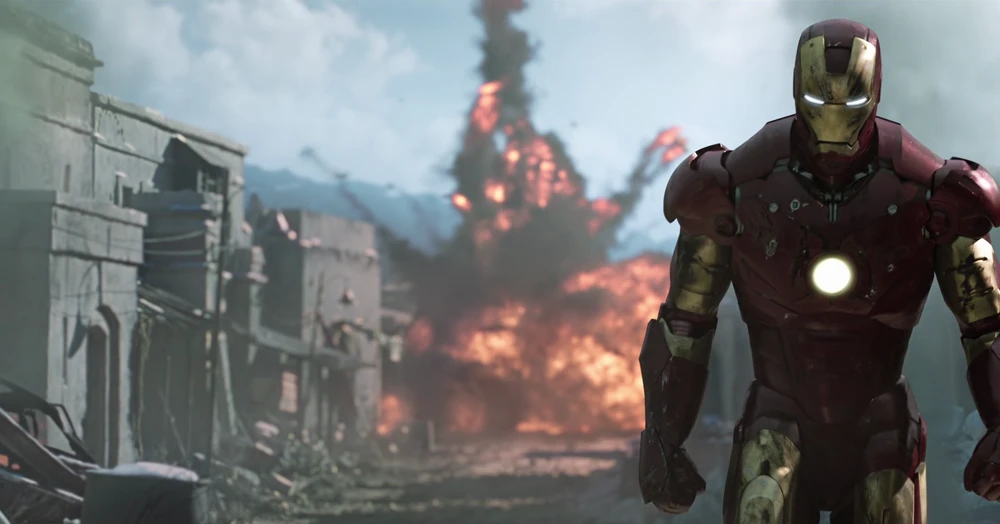
Tony’s captors belong to the Ten Rings, later tied directly to Wenwu (the real Mandarin) in Shang-Chi and the Legend of the Ten Rings. If you’re watching for the first time, this throwaway terrorist group becomes hugely important thirteen years later. The patience here is remarkable. Marvel planted this seed with no guarantee they’d ever get to harvest it.
Raza’s Comic Connection
The leader, Raza, shares his name and facial scarring with Raza Longknife of the Starjammers in Marvel Comics, though the characters are otherwise unrelated. One for the deep-cut comic readers.
Yinsen Reimagined
Yinsen is adapted from Tony’s original Vietnam-era comic origin into a Middle Eastern setting, updating the character for 2008’s geopolitical context.
Roxxon Building
A Roxxon logo appears in the background during the highway battle with Iron Monger. Pause at 1:47:32 and look at the buildings behind the freeway. This links to the comics’ corrupt petrochemical giant, and Roxxon becomes a recurring MCU presence across films and TV shows including Iron Man 3, Agent Carter, Daredevil, and Cloak & Dagger.
Captain America Shield Prototype
A rough version of Cap’s shield appears on Tony’s workbench when Pepper walks in on him. Look to the right of the screen as she enters. The prop reappears more clearly in Iron Man 2 and connects to Howard Stark’s role in Captain America’s history.
The Detail Everyone Missed
“Box of Scraps!” Scientist
Here’s one that took eleven years to pay off. The scientist Obadiah berates, the one who delivers the immortal line about Tony building the suit “in a cave, with a box of scraps,” is played by Peter Billingsley, best known as Ralphie from A Christmas Story.
That’s a fun bit of casting trivia on its own. But here’s where it gets interesting: Billingsley reprises this exact role in Spider-Man: Far From Home as William Ginter Riva, one of Mysterio’s disgruntled former Stark Industries employees. The same scientist who couldn’t replicate Tony’s genius in 2008 spends the next decade nursing that grudge, eventually helping create the illusion technology used against Peter Parker. He’s also responsible for releasing the edited footage that exposes Spider-Man’s identity to the world. It’s a tiny role that became a devastating piece of connective tissue, proof that in the MCU, even background characters have arcs.
Character Moments and Dialogue
“Forrest” Joke
Tony calls a nervous soldier “Forrest,” referencing Forrest Gump. A small moment, but it immediately establishes Tony’s quick wit and pop-culture brain.
“Render Unto Caesar”
Tony paraphrases the biblical line while handing off his Apogee Award at Caesars Palace. The location makes it a double reference.
Jackson Pollock Reference
Pepper corrects Tony on Pollock’s “Spring Period,” referencing the artist’s time living in “The Springs” on Long Island. A subtle detail that shows Pepper’s the cultured one in this relationship.
“Doing a Piece” Innuendo
Tony jokes he was “doing a piece for Vanity Fair” when he was late for the plane ride with Rhodey, a callback to his earlier night with Christine Everhart. Classic Tony deflection.
Machiavelli Quote
Tony paraphrases the Florentine philosopher when asking, “Is it better to be feared or respected?” It’s not just showing off. It establishes Tony’s worldview before his transformation. By the film’s end, he’s chosen a third option entirely. Robert Downey Jr. and Jon Favreau actually wrote this scene line by line on the day of shooting.
“Remember Me?” Setup
Yinsen’s line about meeting Tony in Bern sets up a deeper backstory later explored in Iron Man 3. On rewatch, knowing Tony was too drunk to remember the man who would save his life adds a layer of tragedy.
Beethoven’s Ninth Reference
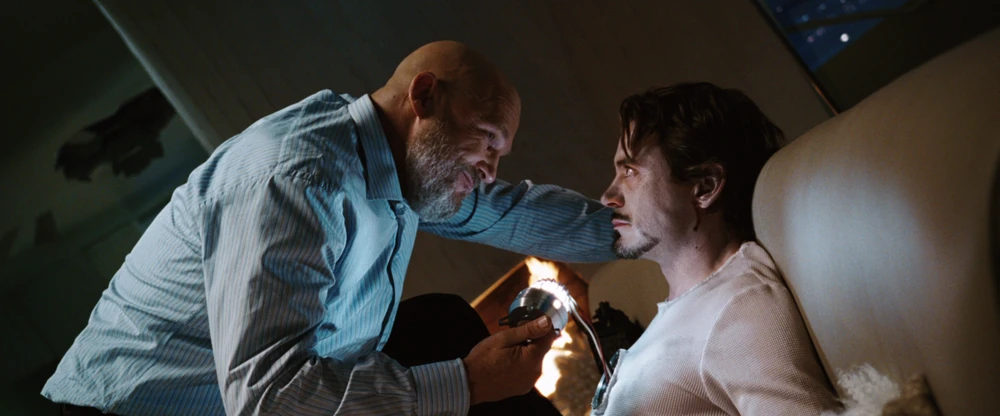
This might be the film’s most chilling piece of subtle villainy. Obadiah calls the arc reactor Tony’s “Ninth Symphony,” and if you know your classical music history, your blood should run cold. There’s a superstition among composers called the “Curse of the Ninth.” Beginning with Beethoven, who died less than three years after the premiere of his Ninth Symphony, it became a common belief that a composer’s ninth symphony would be their last. Gustav Mahler was so worried about this superstition that he tried to trick fate by not calling his actual ninth symphony by that number. Obadiah isn’t complimenting Tony. He’s telling him, to his face, that this is the last thing he’ll ever create. It’s a murder confession disguised as flattery, and Tony has no idea.

Behind-the-Scenes Connections
Dum-E and U
Tony’s workshop robots, built during his MIT days, appear in his award montage and throughout his lab scenes. These loveable machines stick around for the entire trilogy. Watch for Dum-E’s fire extinguisher obsession becoming a running gag.
Bill Gates Montage Cameo
A photoshopped image in the award reel shows young Tony alongside Bill Gates, highlighting Stark as a lifelong tech prodigy. Pause the montage and you’ll catch it.
Happy Hogan
Jon Favreau (who also directed) plays Tony’s driver, Happy Hogan. In the comics, Happy was originally a former boxer. The MCU version gets more screen time as the films progress, eventually becoming a key figure in the Spider-Man films.
Tom Morello Cameo
Rage Against the Machine’s guitarist appears as a Ten Rings guard and contributed guitar work to the film’s score. Composer Ramin Djawadi (who wrote the score with collaboration from Hans Zimmer and Remote Control Productions) worked with Morello on the guitar-heavy soundtrack. Look for Morello during the cave escape sequence, where he becomes one of the first enemies Iron Man fights.
Stan Lee Cameo
Stan Lee appears at a gala where Tony mistakes him for Hugh Hefner. Lee later named this as his favourite cameo appearance.
Ray’s Pizza
Obadiah brings Tony pizza from Ray’s, a chain previously referenced in Jon Favreau’s Elf. A director’s in-joke for those paying attention.
MIT Brass Rat
Rhodey’s MIT class ring confirms he and Tony’s shared university past. Look for it during their scenes together.
Newspaper Photo Swap
Tony’s “Who Is the Iron Man?” newspaper photo originally used an actual paparazzi image shot during filming. It was later swapped in home releases due to legal issues. Check your version to see which one you’ve got.
Real-World References
Burger King Reference
Tony’s first request after returning home is an American cheeseburger, and this isn’t just product placement. It’s a nod to Robert Downey Jr.’s real-life recovery story. He’s credited a Burger King meal in 2003 as a turning point in getting clean. While driving with drugs in his car, he stopped for a burger that he found so disgusting it triggered a moment of clarity. He drove to the ocean, threw all his drugs in the water, and decided to change his life. Tony Stark’s resurrection mirrors his own.
Time Zone Detail
Tony remarks on Obadiah being awake because of the time difference between California and Afghanistan. A small detail, but it shows the filmmakers cared about internal logic.
Hidden Visual Details
Chlorophyll Drink
Tony’s green drink hints at the palladium poisoning countermeasure explored in Iron Man 2. You might miss its significance on first viewing, but it’s there.
“Proof That Tony Stark Has a Heart”
Pepper’s gift encasing Tony’s original arc reactor reappears in Avengers: Endgame. If you know where Tony’s story ends, this scene hits completely differently on rewatch. The inscription becomes an epitaph.
Foreshadowing
Rhodey’s “Next Time, Baby”
Rhodey’s line while admiring the Mark II armour directly foreshadows his future as War Machine. He means it, and Terrence Howard’s delivery suggests a man who knows exactly what he wants.
The Ten Rings Legacy
Their presence seeds future connections to the Mandarin storyline explored in Iron Man 3 and completed in Shang-Chi, a thirteen-year payoff that rewards patient viewers.
Stark Tech Misuse Setup
The film introduces the recurring MCU theme of Stark technology being used against him. You’ll see this pattern repeated with Hammer, Vulture, and Mysterio across future films. Tony’s greatest creations become his legacy’s greatest threats.
J.A.R.V.I.S. Foundations
Tony’s AI assistant lays groundwork for later creations including the Iron Legion, Ultron, and Vision. The voice you hear cracking jokes in Tony’s lab will eventually become an Avenger.
S.H.I.E.L.D. Emergence
Coulson’s presence and the organisation’s full name reveal set up S.H.I.E.L.D.’s deeper role across Phase 1. His insistence on the full acronym is played for laughs, but the agency becomes central to everything.
Nick Fury Post-Credit Scene
The final stinger introduces the Avengers Initiative, launching the MCU’s entire shared-universe structure. If you walked out before this scene in 2008, you missed cinema history. This 30-second conversation changed how blockbusters are made.
“Whiplash 1” Call Sign
During the F-22 dogfight, one pilot uses the call sign “Whiplash 1,” a nod to the villain introduced in Iron Man 2. Listen carefully during the aerial sequence.
Iron Legion Beginnings
Tony’s rapid suit prototyping process hints at the multi-suit arsenal seen in Iron Man 3. His obsessive tinkering isn’t just character detail. It’s setup.
The Legacy
Here’s the thing about Iron Man that still feels miraculous: the most important line in MCU history wasn’t in the script.
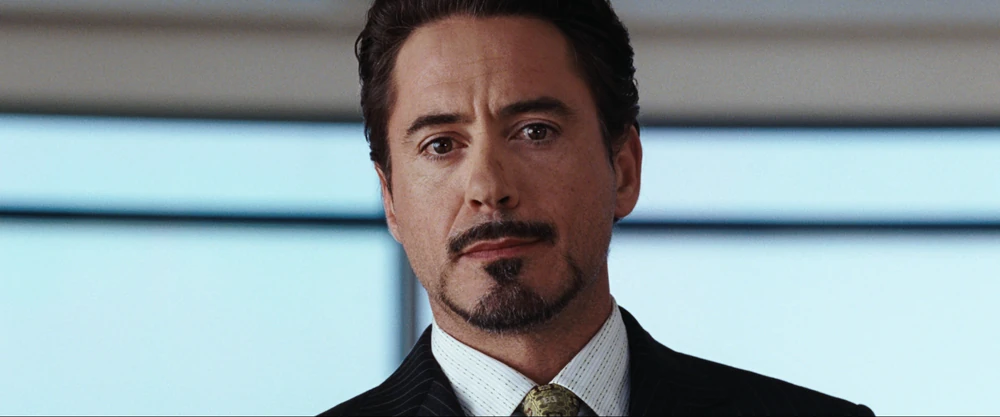
Tony Stark’s bold declaration at the end, “I am Iron Man,” was completely improvised by Robert Downey Jr. The original plan had Tony maintain a secret identity, following decades of comic book tradition. Instead, Downey’s off-script moment created the MCU’s defining philosophy: these heroes don’t hide. Kevin Feige later said, “Tony Stark not reading off the card and not sticking with the fixed story? Him just blurting out ‘I am Iron Man?’ That seems very much in keeping with who that character is.” That spontaneity shaped everything that followed, right up to Tony’s final words in Avengers: Endgame echoing back to this exact moment.
What makes Iron Man worth revisiting isn’t just nostalgia. It’s seeing how meticulously Marvel planted seeds they wouldn’t harvest for years, sometimes over a decade. The Ten Rings. The shield on the workbench. Peter Billingsley’s humiliated scientist. These weren’t accidents. They were promises.
Iron Man would go on to appear in nine more films: The Incredible Hulk (2008, post-credits), Iron Man 2 (2010), The Avengers (2012), Iron Man 3 (2013), Avengers: Age of Ultron (2015), Captain America: Civil War (2016), Spider-Man: Homecoming (2017), Avengers: Infinity War (2018), and Avengers: Endgame (2019).
Every one of them built on what started here. And if you watch closely, you can see all of it coming.